
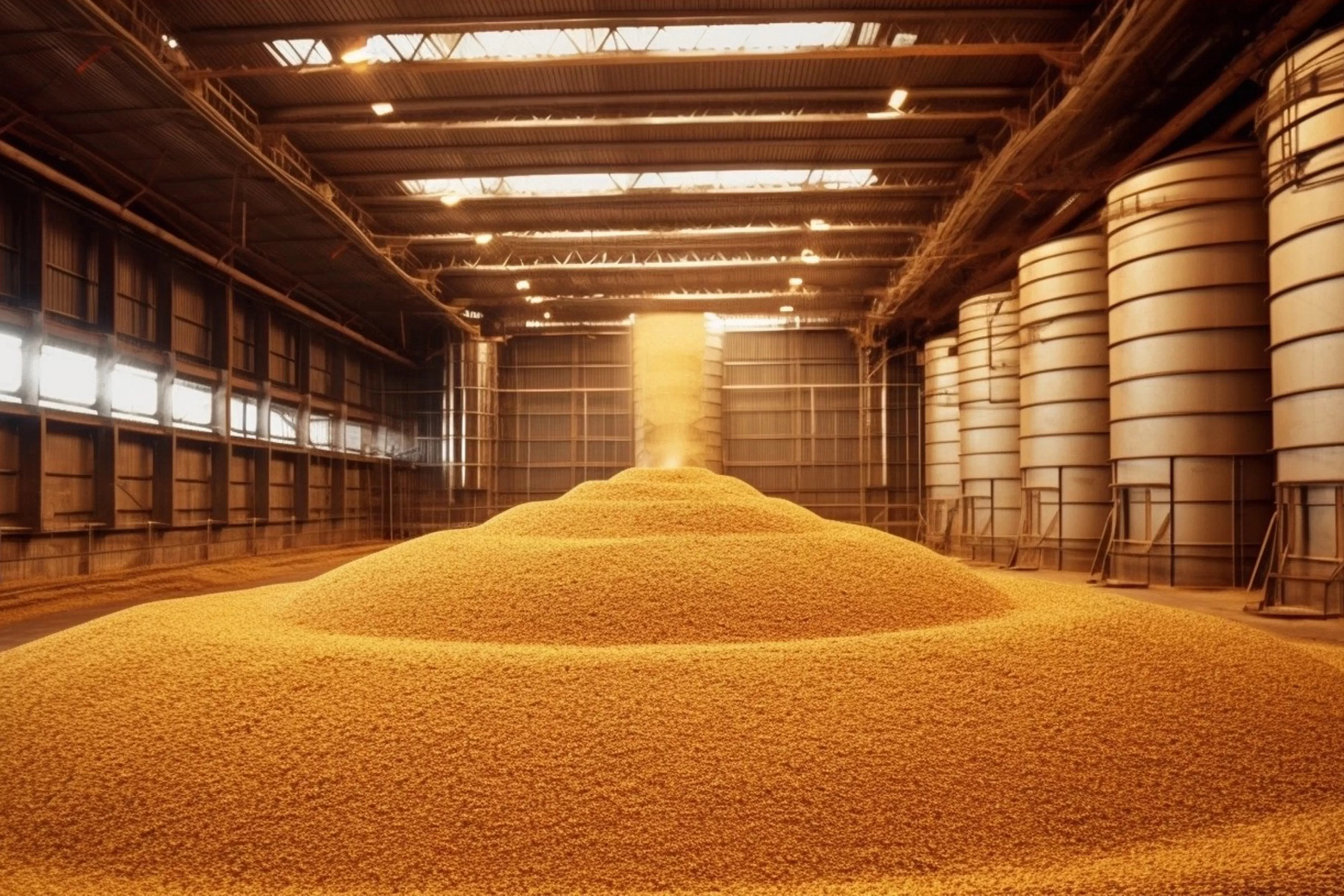
Wheat is one of the world's staple foodstuffs and its proper storage is critical both to maintain the quality of the product and to prevent losses. So, what should be considered during wheat storage? In this article, we will examine the tricks of wheat storage and the precautions to be taken for a quality storage.
1. Suitable Storage Conditions
The temperature and humidity levels in the area where wheat is stored must be carefully controlled to ensure that the product remains intact for a long time. Ideally, the storage temperature should be between 15-20°C and humidity levels should be kept at 12-14%. High humidity can lead to mouldy wheat and the growth of pests, so suitable ventilation systems should be used to control humidity.
2. Protection Against Pests
In the process of wheat storage, pest control is of great importance. Insects, rodents and other pests can seriously affect the quality of the product. Regular inspections of warehouses and taking protective measures, such as fumigation when necessary, ensure that wheat remains healthy. In addition, attention to the hygiene of storage areas is a critical step to prevent the entry of pests.
3. Storage Duration and Rotation
Long-term storage of wheat may cause loss of quality. The longer the storage period, the nutritional value and quality characteristics of the product may decrease. Therefore, the principle of "first in, first out" should be applied to ensure that stored wheat is regularly replenished. This approach preserves the freshness of the products and maintains the highest quality standards.
4. Use of Licensed Warehousing
Licensed warehousing guarantees the storage of wheat under the most favourable conditions. Since licensed warehouses are operated in accordance with the standards set by the state, the safety and quality of your products are guaranteed. In addition, wheat stored in licensed warehouses can be easily shown as collateral and provides flexibility in your financial transactions.
The points to be considered in wheat storage directly affect the quality and shelf life of the product. Ensuring appropriate storage conditions, protection from pests, proper storage time management and the use of licensed warehousing are the most effective ways to preserve the freshness and nutritional value of wheat. By paying attention to these recommendations, you can ensure the best protection of your stored wheat.



Contact Us